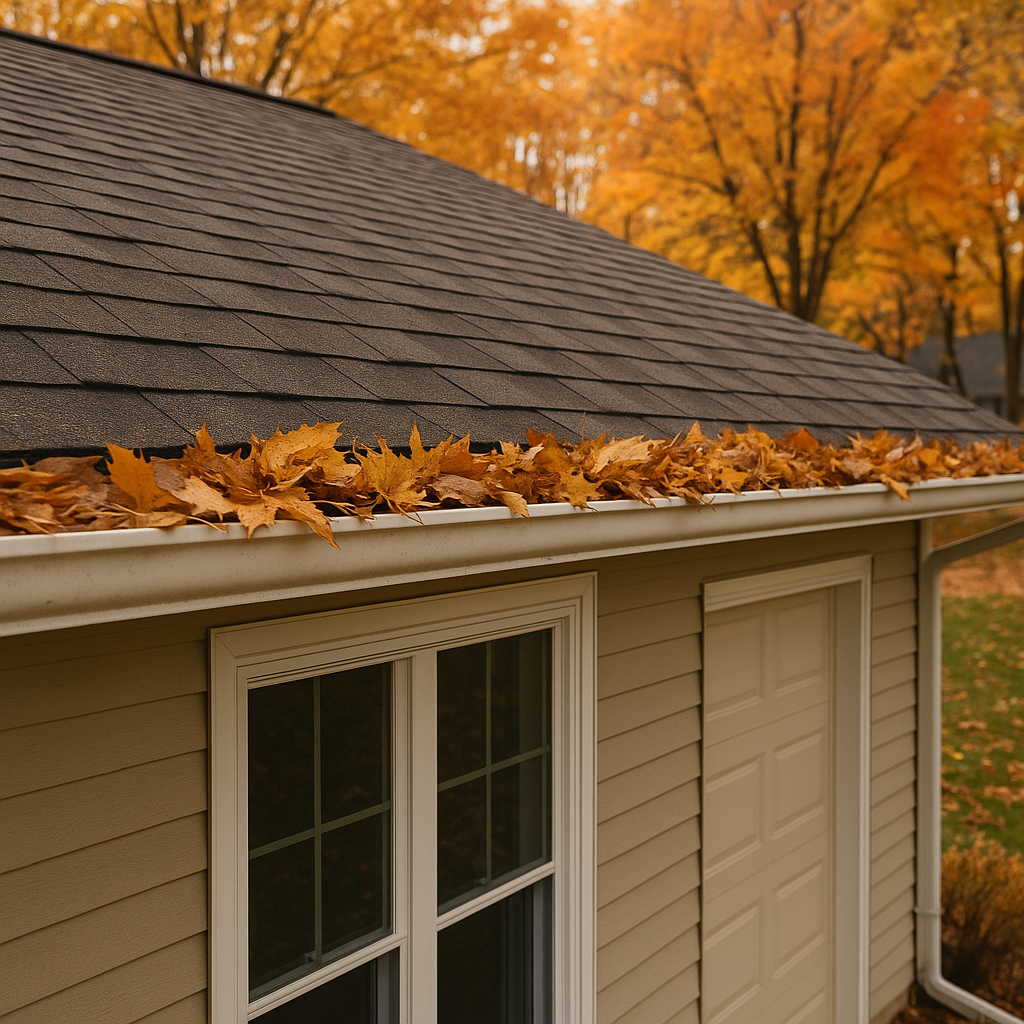
Clogged Gutters Are Quietly Destroying Your Roof
Clogged gutters do more than overflow — they silently damage your roof's underlayment. Learn how spring cleaning protects your Wisconsin home.
The Gutter Problem Most Homeowners Overlook
Every spring, Wisconsin homeowners tackle the usual post-winter to-do list: inspect the yard, check the foundation, maybe power wash the driveway. But one task that often gets skimped on — or skipped entirely — is cleaning out the gutters. That's a costly mistake.
Clogged gutters are one of the leading causes of premature roof failure, and the damage they cause isn't always visible from the ground. The real harm happens underneath your shingles, deep in a layer most homeowners have never thought about: the underlayment.
What Is Roof Underlayment, and Why Does It Matter?
Your asphalt shingles are the first line of defense against Wisconsin's harsh weather — but they're not the only one. Beneath those shingles sits a layer of protective material called roof underlayment. This waterproof or water-resistant barrier is installed directly on your roof deck (the wooden sheathing beneath everything) and serves as a critical secondary shield against moisture infiltration.
If your shingles are ever damaged, lifted by wind, or worn thin with age, the underlayment is what stands between your home and water damage. It protects against ice dams in winter, wind-driven rain in summer, and everything in between.
When underlayment fails — or is never given the chance to do its job — water reaches the roof deck. From there, it's a short path to rotting wood, mold growth, insulation damage, and expensive interior repairs.
How Clogged Gutters Attack Your Underlayment
Here's what most homeowners don't realize: gutters and underlayment are directly connected. When your gutters are blocked with leaves, debris, and the remnants of Wisconsin's long winters, water has nowhere to drain. It pools and backs up toward the roof edge.
This backed-up water works its way under your shingles — especially at the eaves — and saturates the underlayment repeatedly. Over time, even high-quality underlayment breaks down under that kind of moisture stress. The adhesive layers weaken, the material loses flexibility, and small gaps or tears begin to form.
In Wisconsin, this problem is compounded by our freeze-thaw cycles. Water that backs up in late winter and early spring can freeze overnight, expand, and physically force its way under shingles. By the time May arrives and temperatures stabilize, the damage is already done.
The Fascia and Soffit Are at Risk Too
It's not just the underlayment. When gutters overflow consistently, water spills over the edges and runs down the fascia boards — the trim that your gutters are actually attached to. Prolonged moisture exposure rots fascia and soffit, compromising the structural edge of your roofline and creating entry points for pests and additional water intrusion.
3 Practical Tips for Protecting Your Roof This Spring
1. Clean gutters thoroughly in May — not just fall. Most homeowners clean gutters in autumn after the leaves drop. But spring cleaning matters just as much. Winter deposits debris, granules washed from shingles, and compacted material that clogs downspouts. A thorough spring flush keeps water moving freely during spring rains.
2. Check for proper gutter pitch and drainage. Even clean gutters can cause problems if they're sagging or pitched incorrectly. Water should flow toward downspouts, not pool in the middle of the gutter run. Walk your roofline after a rainstorm to spot any areas where water lingers.
3. Schedule a professional roof inspection after you clean. Once your gutters are clear, it's the ideal time to have a roofing professional inspect your shingles, eaves, and underlayment for moisture-related damage that may have developed over winter. Early detection of soft spots, lifting shingles, or compromised underlayment can save you thousands in repair costs.
What to Watch for on an Aging Roof
If your roof is 10 years or older, the combination of gutter overflow and Wisconsin weather stress may have already taken a toll on your underlayment and shingles. Asphalt shingles lose protective oils over time, becoming brittle and less able to deflect water — making proper drainage even more critical.
This is where a solution like RoofMaxx can be a game-changer for homeowners not yet ready for full replacement. RoofMaxx is an EPA-recognized, bio-based soy formula that restores lost oils to aging asphalt shingles, improving flexibility and water resistance. A single application comes with a 5-year transferable warranty and can extend your roof's life by five or more years — buying time while protecting your investment.
But RoofMaxx works best on a roof that's been properly maintained. That starts with clean, functioning gutters.
Let Save My Roof Help You This Spring
At Save My Roof in Watertown, WI, we help southeast Wisconsin homeowners protect their roofs from the inside out — starting with honest inspections and practical advice. Whether you need a post-winter roof assessment, shingle repair, or a RoofMaxx treatment to extend your roof's life, our team is here to help.
Don't wait until a small gutter problem becomes a major roof repair. Contact Save My Roof today for a free inspection or estimate — and head into summer knowing your roof is ready for whatever Wisconsin weather brings next.
Want a free roof assessment? Get a Free Quote