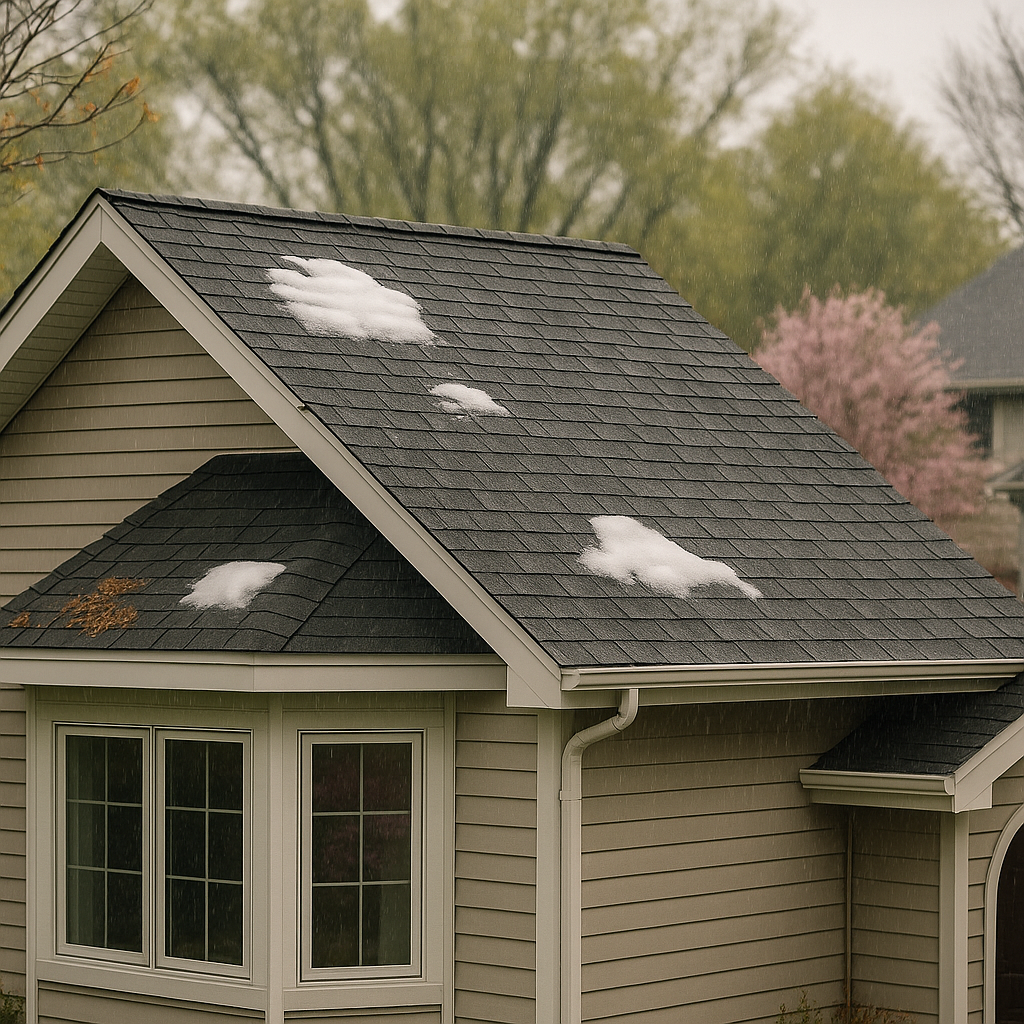
How Freeze-Thaw Cycles Damage Your Roof (Spring Tips)
Wisconsin winters are brutal on asphalt shingles. Learn how freeze-thaw cycles damage your roof and what to do this spring to protect your home.
What Wisconsin Winters Do to Your Roof
If you own a home in Watertown or anywhere in southeast Wisconsin, you already know winter doesn't go easy on your property. But while you're shoveling driveways and salting sidewalks, one of your biggest assets is silently taking a beating overhead — your roof.
Freeze-thaw cycles are one of the most destructive forces asphalt shingles face in our climate, and spring is the season when that damage becomes visible. Understanding what's happening — and what to do about it — can be the difference between a roof that lasts and one that fails prematurely.
How Freeze-Thaw Cycles Actually Damage Shingles
Asphalt shingles are designed to flex slightly with temperature changes. But they have limits — and Wisconsin winters push past them repeatedly.
Here's the cycle that causes damage:
- Water infiltrates — Rain, snowmelt, or ice seeps into tiny cracks or pores in aging shingles.
- Temperatures drop — That water freezes and expands, widening existing cracks and forcing new ones open.
- Temperatures rise — The ice melts, the water moves deeper or drains away, and the shingle contracts again.
- Repeat — In a typical Wisconsin winter, this cycle can happen dozens of times between November and March.
Over time, this process strips away the protective granules embedded in your shingles, accelerates cracking and curling, and dries out the asphalt oils that give shingles their flexibility and waterproofing ability. Once those oils are gone, shingles become brittle, porous, and far more vulnerable to leaks.
Ice Dams Make It Worse
Freeze-thaw damage doesn't stop at the shingles themselves. When snow melts on a warm roof deck and refreezes at the colder eaves, ice dams form. These ridges of ice trap water behind them, forcing it under shingles and flashing — areas that were never designed to be submerged. The result can be water intrusion into your attic, insulation, and ceilings.
What to Look for on Your Roof This Spring
With April here and temperatures finally stabilizing, now is the ideal time to assess what winter left behind. Here are the key warning signs every Wisconsin homeowner should look for:
- Curling or cupping shingles — Edges lifting or curving indicate moisture damage and oil depletion
- Missing or bare patches — Areas where granules have washed away, leaving dark, exposed asphalt
- Cracked or broken shingles — Direct evidence of freeze-thaw stress
- Granules in your gutters — A major indicator that your shingles are deteriorating
- Sagging areas or staining on interior ceilings — Signs that water may have already infiltrated
If your roof is 10 years or older, don't assume it looks fine from the ground. A proper inspection from someone trained to identify early-stage damage is worth every minute.
What You Can Do About It
Tip 1: Schedule a Professional Spring Inspection
Don't wait for a leak to take action. A professional roof inspection after winter gives you a clear picture of your roof's condition before minor problems become major repairs. Early detection saves significant money.
Tip 2: Consider Roof Rejuvenation Before Replacement
If your shingles are showing signs of aging but your roof structure is still sound, you may not need a full replacement yet. RoofMaxx roof rejuvenation is an EPA-recognized, bio-based treatment made from a soy-methyl ester formula that replenishes the essential oils freeze-thaw cycles strip away. A single treatment can restore flexibility and waterproofing to aging shingles, extend your roof's life by 5 or more years, and comes with a 5-year transferable warranty. It's a cost-effective alternative that many southeast Wisconsin homeowners are choosing over premature replacement.
Tip 3: Clean Your Roof and Gutters
Moss, algae, and debris left over from winter hold moisture against your shingles — accelerating the very damage freeze-thaw cycles started. A professional roof cleaning removes these threats and helps your roof dry properly as spring rains arrive.
Don't Let Last Winter's Damage Become Next Winter's Problem
Spring is your window of opportunity. The freeze-thaw stress is done for the season, the damage is fresh and assessable, and there's still plenty of warm-weather time to make repairs before next fall.
At Save My Roof in Watertown, WI, we help southeast Wisconsin homeowners protect their roofs with professional inspections, RoofMaxx rejuvenation treatments, expert repairs, and thorough roof cleaning. We know what Wisconsin winters do to roofs — because we see the results every April.
Ready to find out where your roof stands? Contact Save My Roof today for a free inspection and honest assessment. No pressure, just answers.
Want a free roof assessment? Get a Free Quote