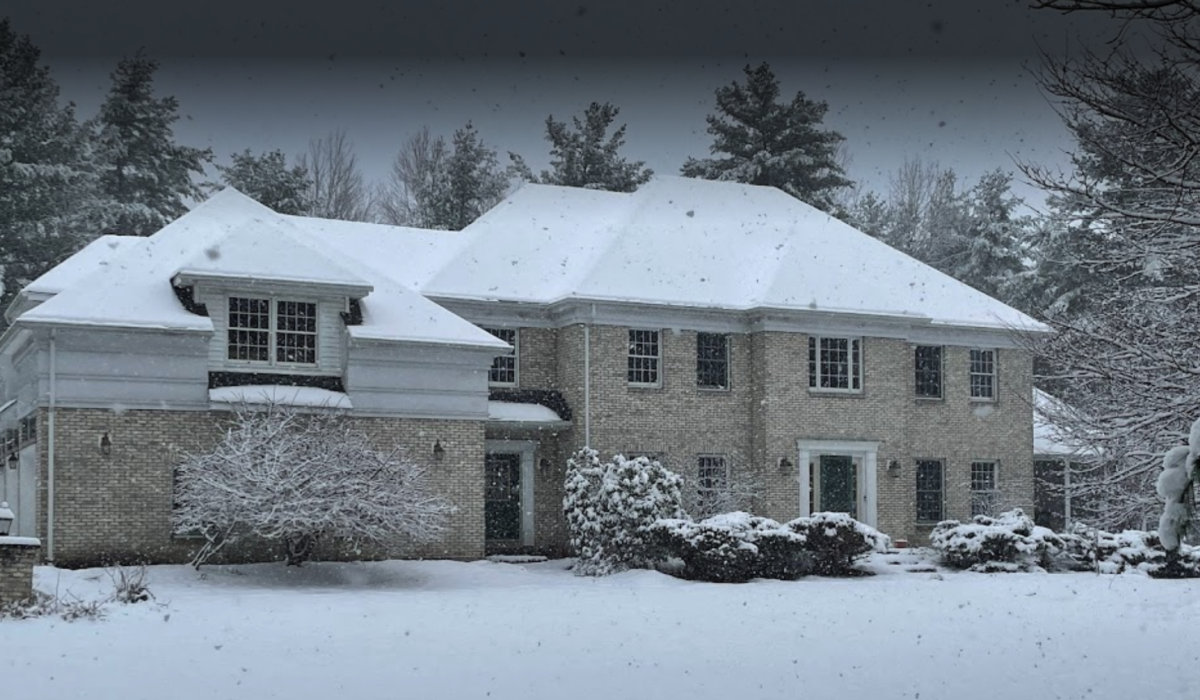
Spring Roof Inspection Checklist After Wisconsin Winters
Wisconsin winters are tough on roofs. Use this spring inspection checklist to catch damage early and protect your home before summer storms arrive.
Is Your Roof Ready for Spring? What Wisconsin Homeowners Should Check Right Now
April in southeast Wisconsin means one thing for homeowners: it's time to assess the damage winter left behind. Between heavy snowloads, ice dams, freeze-thaw cycles, and bitter wind chills, your roof takes a serious beating from November through March. The good news? Catching problems early — before spring storms and summer heat compound them — can save you thousands of dollars and years of roof life.
At Save My Roof in Watertown, WI, we complete hundreds of spring roof inspections every year. Here's the checklist we use to assess a roof's condition after a Wisconsin winter, along with tips you can use to evaluate your own home from the ground up.
Your Spring Roof Inspection Checklist
1. Check for Missing, Cracked, or Curling Shingles
Start with a pair of binoculars and a walk around your home's perimeter. Look for shingles that are visibly missing, cracked down the middle, or curling at the edges. Curling — whether the edges lift up (cupping) or the middle buckles upward (clawing) — is a telltale sign that your shingles are losing their flexibility and moisture resistance.
Wisconsin's freeze-thaw cycles are particularly hard on aging shingles. Water seeps into microscopic cracks, freezes, expands, and widens those cracks over and over through the winter. What starts as minor surface wear can become a leak waiting to happen by the time spring rain arrives.
2. Look for Granule Loss
Asphalt shingles are coated with protective granules that shield the underlying material from UV rays and weather. After a harsh Wisconsin winter, check your gutters and downspout outlets for an accumulation of sand-like granules. Some granule loss is normal on older roofs, but heavy or widespread loss means your shingles are nearing the end of their protective life.
If granule loss is significant but your shingles are otherwise structurally sound, RoofMaxx roof rejuvenation — offered right here in Watertown by Save My Roof — may be an ideal solution. This EPA-registered, bio-based soy treatment restores flexibility and moisture resistance to aging asphalt shingles, extending your roof's life by five or more years with a 5-year transferable warranty.
3. Inspect Flashings Around Chimneys, Vents, and Skylights
Flashings are the metal strips that seal transitions between your roof and vertical surfaces like chimneys, vents, and skylights. Ice dams and thermal expansion through winter can lift, separate, or corrode these critical seals. Even a small gap in flashing is an open invitation for water to enter your attic.
Look for visible rust, gaps, or sections that appear lifted or separated. Flashing repairs are typically straightforward and affordable — far less costly than addressing water damage inside your home.
4. Examine Your Gutters and Drainage
Clogged or damaged gutters don't just cause water overflow — they contribute to ice dam formation and can trap moisture against your roofline. After winter, clean out any debris, check for sections that have pulled away from the fascia, and look for sagging or rust damage. Make sure downspouts are directing water at least three feet away from your foundation.
5. Inspect the Attic for Signs of Moisture or Damage
Some of the most telling clues about your roof's condition are found from the inside. On a bright day, head into your attic and look for daylight coming through the roof boards, water stains on rafters or sheathing, or soft/spongy spots in the decking. Any of these signs point to a leak that needs prompt attention.
Also check that your attic ventilation is clear and functioning. Poor ventilation accelerates shingle deterioration and can void manufacturer warranties.
3 Practical Takeaways for Wisconsin Homeowners This Spring
Don't wait for a visible interior leak. By the time water stains appear on your ceiling, damage has already spread. A proactive spring inspection catches problems at the source.
Age matters. If your asphalt shingle roof is 10–20 years old and otherwise in decent condition, RoofMaxx rejuvenation can restore lost oils to the shingles and buy you significant additional life at a fraction of replacement cost.
Document what you see. Take photos during your walkthrough. Dated photos of your roof's condition are valuable for insurance claims and future contractor conversations.
When to Call a Professional
Ground-level observation has its limits. A licensed roofing professional can safely walk your roof, identify damage that isn't visible from below, and give you an honest assessment of whether you need repairs, rejuvenation, or full replacement. In many cases, homeowners are pleasantly surprised to learn their roof has more life left than they thought — especially with a treatment like RoofMaxx in the picture.
Schedule Your Free Spring Roof Inspection in Watertown, WI
Don't let another Wisconsin spring pass without knowing the true condition of your roof. Save My Roof serves Watertown and the surrounding southeast Wisconsin communities with honest, expert roof inspections at no cost to you. Whether your roof needs minor repairs, a RoofMaxx rejuvenation treatment, or a full replacement, we'll give you a clear picture of your options — no pressure, no guesswork.
Contact Save My Roof today to schedule your free spring inspection and protect the investment over your head.
Want a free roof assessment? Get a Free Quote