Post-Winter Ice Dam Damage Repair Guide for Wisconsin Roofs
Wisconsin winters are brutal on roofs. Learn how to identify ice dam damage this spring and what repair options protect your home in Watertown and beyond.
What Wisconsin Winters Leave Behind
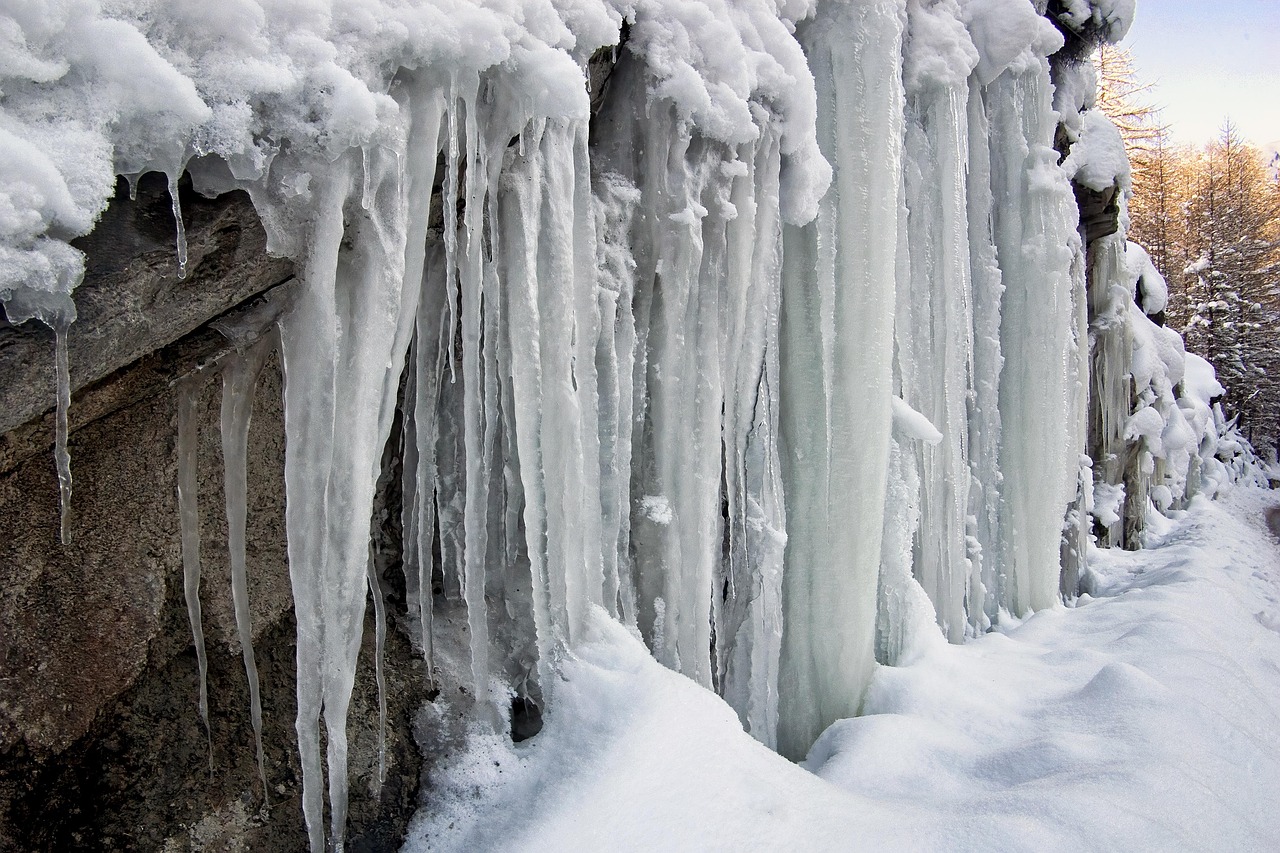
Every spring in southeast Wisconsin, homeowners pull back the curtains, see the snow finally gone, and breathe a sigh of relief. But what's happening on top of your house tells a different story. Ice dams — those thick ridges of ice that form along roof edges and in valleys — are one of the most destructive winter forces your roof faces, and the damage they cause often doesn't become obvious until April or May.
If your roof endured another hard Wisconsin winter, this guide is for you. Here's how to assess ice dam damage and understand your repair options before spring rains make things worse.
What Is an Ice Dam and Why Does It Damage Roofs?
Ice dams form when heat escapes from your living space into the attic, warming the roof deck and melting snow from underneath. That meltwater runs down toward the cold eave — where it refreezes. As the ice builds up, it creates a dam that traps water on the roof surface.
Shingle roofs are not designed to hold standing water. Once water is trapped behind an ice dam, it can work its way under shingles, through underlayment, and into the wood decking beneath — causing rot, mold, and interior water damage that can cost thousands to repair.
Signs of Ice Dam Damage to Look For This Spring
Now that temperatures are rising, it's time for a careful inspection. Here are the most common signs of ice dam damage:
Exterior Warning Signs
- Lifted, cracked, or missing shingles along eaves and in roof valleys
- Granule loss — look for excessive granules in gutters or on the ground near downspouts
- Sagging or bent gutters from the weight of ice
- Damaged or separated flashing around chimneys, skylights, or vents
- Staining or dark streaking along the lower edge of the roof
Interior Warning Signs
- Water stains on ceilings or upper walls, especially near exterior walls
- Peeling paint near the roofline inside the home
- Mold or musty odors in the attic
- Damp or wet insulation in the attic space
If you notice any of these signs, don't wait. Spring rain combined with existing damage can accelerate interior water intrusion quickly.
Your Ice Dam Damage Repair Options
1. Targeted Roof Repair
For localized damage — a section of lifted shingles, a compromised flashing joint, or a small area of cracked underlayment — targeted repairs may be all you need. A professional roofer can replace damaged shingles, reseal flashing, and address any exposed decking before moisture gets deeper into your home's structure.
2. RoofMaxx Roof Rejuvenation
Here's something many Wisconsin homeowners don't know: if your shingles have lost significant flexibility and granule coverage due to years of freeze-thaw stress, you may not need a full replacement just yet. RoofMaxx roof rejuvenation is a bio-based soy treatment that restores the natural oils in aging asphalt shingles — oils that cold temperatures and UV exposure strip away over time.
RoofMaxx is EPA-recognized, backed by a 5-year transferable warranty, and can extend your roof's life by 5 years or more per application. It's a fraction of the cost of replacement and an ideal solution for roofs that are aging but structurally sound. Think of it as restoring your shingles' elasticity so they can better handle whatever Wisconsin winters come next.
3. Full Roof Replacement
If ice dam damage has compromised the decking, underlayment, or a large portion of the shingles — or if your roof is already 20-plus years old — replacement may be the most cost-effective long-term decision. A new roof installation also gives you the opportunity to improve attic ventilation and insulation, which directly reduces ice dam formation in future winters.
3 Practical Takeaways for Wisconsin Homeowners
Act before summer humidity sets in. Water that entered your roof system during winter will only cause more damage — rot, mold, and structural weakening — if left unaddressed through a warm, wet spring.
Don't skip the attic. Ice dam damage rarely stops at the shingles. Always check attic insulation and ventilation as part of any spring inspection. Improving these systems is the most effective way to prevent future ice dams.
Get a professional assessment before deciding on repairs. Granule loss and lifted shingles can look the same on a roof that needs minor repair versus one that needs rejuvenation or replacement. An experienced local roofer can tell the difference and save you money.
Let Save My Roof Help You Recover From This Winter
At Save My Roof in Watertown, WI, we understand the unique toll that Wisconsin winters take on residential roofs. Our team specializes in post-winter inspections, ice dam damage repairs, RoofMaxx rejuvenation treatments, and full roof replacements — serving Watertown and surrounding southeast Wisconsin communities.
Spring is the best time to catch problems early, before they become expensive emergencies. Contact Save My Roof today for a free roof inspection and honest assessment. We'll help you make the right call for your home and your budget — no pressure, just straight answers from people who know Wisconsin roofs.
Want a free roof assessment? Get a Free Quote